
Structures That Withstand Seasonal Storm Systems
Monsoon Damage Repair in Sierra Vista for properties affected by wind, water, and roof failures during summer storms
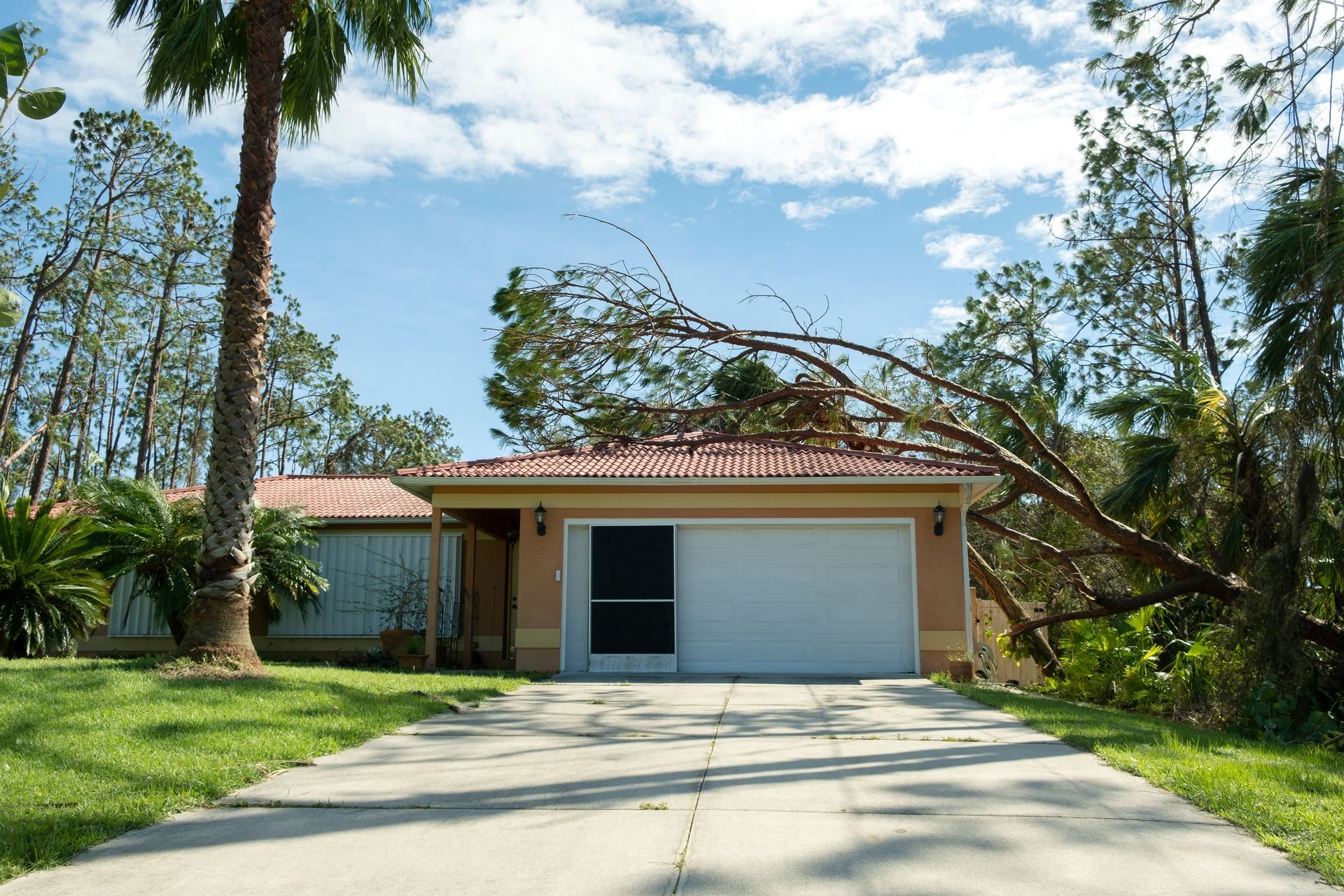
Perrill Construction handles monsoon damage repair in Sierra Vista, addressing the wind damage, interior flooding, rain intrusion, and roof failures that occur during the July through September storm season. Monsoon systems in southeastern Arizona bring sudden microbursts, sustained winds over 50 mph, and rainfall rates that overwhelm drainage systems within minutes. These conditions create specific failure patterns: lifted shingles and torn fascia from wind uplift, water infiltration through compromised roof penetrations, and interior flooding from both roof leaks and ground-level water intrusion through foundation cracks or failed door seals.
Wind damage repair focuses on structural components affected by uplift and lateral forces, including roof decking that has separated from trusses, fascia boards torn away from rafter tails, and siding panels that have buckled or detached. Rain and water damage repair addresses both the immediate water intrusion and the secondary damage to insulation, drywall, and framing that occurs when moisture saturates building materials. Interior flooding damage repair involves removing affected materials, drying structural components to prevent mold colonization, and rebuilding surfaces with moisture-resistant products where appropriate.
Schedule a property assessment to document storm damage and identify structural repairs needed before the next monsoon season.
What Monsoon Damage Actually Requires
Roof damage repair after monsoon events involves inspecting not just the visible surface damage but also the underlying decking and attachment points where wind uplift separates materials from the structure. Missing or damaged shingles allow water to reach the felt underlayment, and once that barrier is compromised, water migrates along roof decking seams and drips into attic spaces far from the original entry point. Repairs address both the roof covering and any decking that has delaminated or softened from water exposure.
After repairs are completed, roofs shed water properly at designed drainage points rather than allowing ponding or seepage through compromised areas. Interior spaces no longer show water stains on ceilings or walls, and attic insulation remains dry during subsequent storm events. Wind-damaged fascia and trim sit flush against the structure again, preventing wind-driven rain from entering wall cavities through gaps that developed during the initial damage.
Interior flooding damage repair extends beyond drying visible surfaces to include moisture testing of wall cavities and subfloor assemblies, since monsoon flooding often introduces water into spaces that remain wet long after surface areas dry. Structural framing must reach moisture content below 15 percent before enclosing walls to prevent conditions that support mold growth or wood decay.
Questions About Storm Damage Restoration
Sierra Vista properties face specific challenges during monsoon season due to the intensity and unpredictability of microburst activity combined with soil conditions that affect drainage patterns around foundations.
What should be inspected first after a monsoon event?
Roof penetrations, valleys, and flashing details are the most common failure points during storms with wind-driven rain, followed by window and door seals where water enters under pressure. Ground-level inspection should check for soil erosion around the foundation and water accumulation near entry points.
How is interior flooding damage different from roof leak damage?
Interior flooding from ground-level water intrusion saturates different building components than roof leaks, affecting baseboards, lower wall sections, and flooring rather than ceilings and upper walls. The moisture source matters because ground water often carries soil and contaminants that require different cleaning protocols than rainwater from roof leaks.
When does wind damage require structural repair versus cosmetic fixes?
Wind damage that has displaced structural connections, such as lifted roof decking or separated truss-to-wall attachments, requires engineering-level repair to restore load paths. Cosmetic damage like dented gutters or scraped siding may look significant but does not affect the building's ability to resist future wind loads.
What determines whether water-damaged drywall can be dried or must be replaced?
Drywall exposed to clean water for less than 48 hours can sometimes be dried and retained if no visible sagging or delamination has occurred, but materials exposed to contaminated floodwater or that remain wet beyond 48 hours typically require removal to prevent mold growth within the paper facing and gypsum core.
How quickly should monsoon damage repairs begin?
Roof repairs that restore weather-tight integrity should begin as soon as conditions allow safe access, typically within 24 to 48 hours, to prevent additional water intrusion during subsequent storms. Interior drying and restoration can proceed once the building envelope is secured and no additional moisture is entering the structure.
Perrill Construction provides detailed damage documentation and repair plans based on the specific failure patterns observed at your property. Contact us to arrange an inspection that identifies both visible damage and underlying structural concerns requiring attention before monsoon season returns.